Fashion is not only about appearance. Increasingly, people are also thinking about how clothing is produced, how long it lasts, and what happens when it is no longer needed. This has made sustainable fashion an important part of the modern industry.
One of the simplest ways to make fashion choices more sustainable is to buy thoughtfully. Instead of purchasing clothing simply because it is trending, shoppers can consider whether the item will work with pieces they already own and whether they are likely to wear it regularly.
Quality is another important consideration. Well-made clothing can often remain useful for a longer period, reducing the need for frequent replacement. Looking at fabric, stitching, construction, and care instructions can help shoppers make more informed decisions.
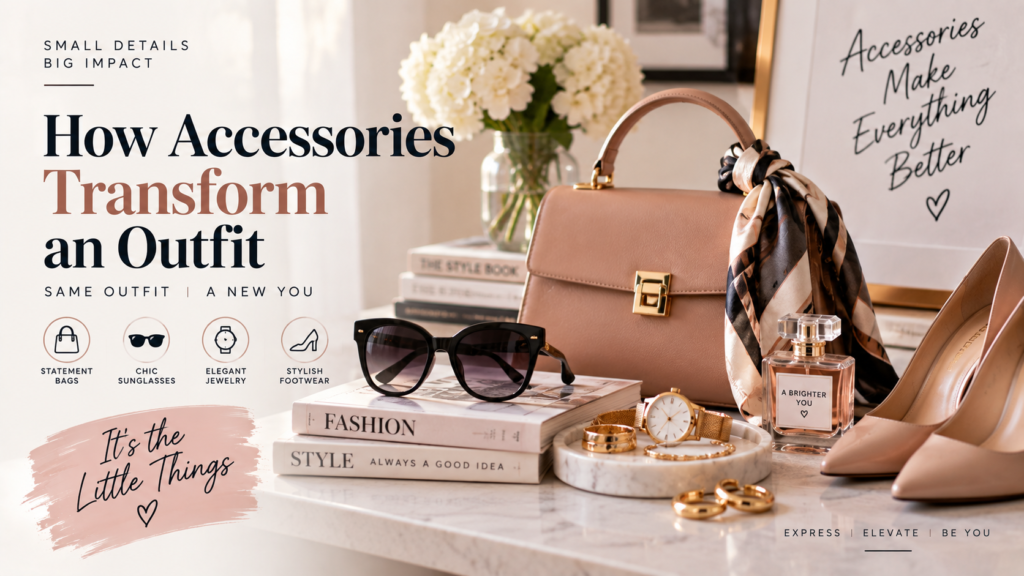
Rewearing clothing is equally important. A single shirt does not need to be worn in exactly the same way every time. It can be styled with different trousers, skirts, jackets, shoes, and accessories to create new combinations.
Secondhand shopping is another way to explore fashion while extending the life of existing garments. Vintage stores, resale platforms, and clothing exchanges can offer unique pieces that are different from standard high-street collections.
Caring properly for clothing can also make a difference. Following washing instructions, storing garments carefully, repairing minor damage, and avoiding unnecessary washing can help extend the life of favorite pieces.
Sustainable fashion does not require a person to completely change their wardrobe overnight. Small decisions can make a meaningful difference. Buying fewer unnecessary items, choosing versatile clothing, repairing garments, and donating or reselling pieces that are no longer needed are practical steps.
The future of fashion will likely involve a stronger connection between style and responsibility. Consumers have more opportunities than ever to research brands, understand materials, and consider the long-term value of their purchases.
Looking fashionable and making thoughtful choices do not have to be separate goals. With a little planning, it is possible to create a wardrobe that reflects personal style while encouraging more responsible consumption.